|
|
|
|
Have Lifelong Wellbeing Newsletter |
June 2026 |
|
|
|
|
|
|
|
Welcome to the 141st edition of the Have Lifelong Wellbeing monthly newsletter! |
|
If you are a new reader, please know it's my life's passion to erase pain from the world and empower lives to age with strength, truth, wisdom, and joy. This newsletter is a cherished labor of love and I thank you for allowing me into your inbox each month. I'm humbled by your trust in me to provide content of value and I will continue to strive to that end. |
|
|
|
|
|
|
|
|
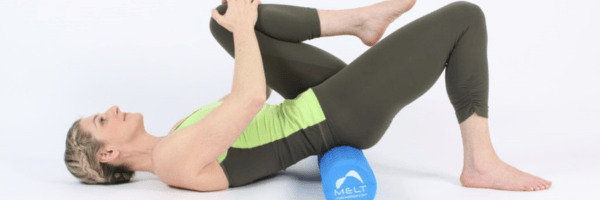
This Month's LIVE MELT Class:
Basics to Advanced
June 16th at 5 pm Eastern Recorded if you can't make it live
Join us for a new MELT Class each month! Purchase 5 classes and get a class FREE! Special discount for Academy and paid level Private Club members. |
| Click Here to Learn More |
 |
|
|
On-Demand Virtual Classes
For those with a challenging schedule ~ recorded classes to access 24/7, INCLUDING an effective four class series for Urinary Incontinence done on your feet, an Age Well With Strong Bones course, and a Nourish Your Body for Lifelong Wellbeing course! |
| Click Here to Learn More |
|
|
MONTHLY EVENTS FOR HLW ACADEMY STUDENTS |
|
|
Office Hours with Eileen
June 1st at 12 pm Eastern
Topic: All Q&A. This is a special hour to learn something new from Eileen and get your questions answered on any of the following topics: pain, aging, exercise, nutrition, etc.
Monthly Reward Event
June 2nd at 12 pm Eastern
Special Guest & author of Welcome to Rock Bottom University: Jeffrey Lee: The Best is Yet to Come
Unique Workout
June 2nd at 11 am Eastern
This week: Shoulder to Shoulder. Every Tuesday is a unique workout that promotes optimal mobility, stability, strength, or stamina in 3 planes of motion. Taught LIVE with Q&A. |
| Click Here for Academy |
|
|
This Month's Article |
The Hidden Cost of Comfort |
|
|
|
I would like to begin with a simple question. When was the last time your body had to truly work?
I don’t mean exercise. I don’t mean walking from the couch to the refrigerator or carrying groceries from the car into the house. I mean genuine physical work. When was the last time your body had to squat, climb, lift, carry, balance, reach, rotate, or rise from the floor? When was the last time you demanded something from your body that required strength, coordination, and effort?
The answer to that question tells far more about your future health than your age.
We live in the most comfortable time in human history. We travel across town without walking a mile. We communicate with people around the world without leaving our chair. We have groceries delivered to our doorstep and meals prepared without ever touching a stove. Our homes stay warm in the winter, cool in the summer, and, sadly, many of us spend the majority of our day sitting.
At first glance, this sounds like progress. In many ways it is. Modern conveniences have made life easier, safer, and more efficient than ever before. Yet despite all of these advances, chronic pain continues to rise. I get emails every day from people in pain seeking help and answers.
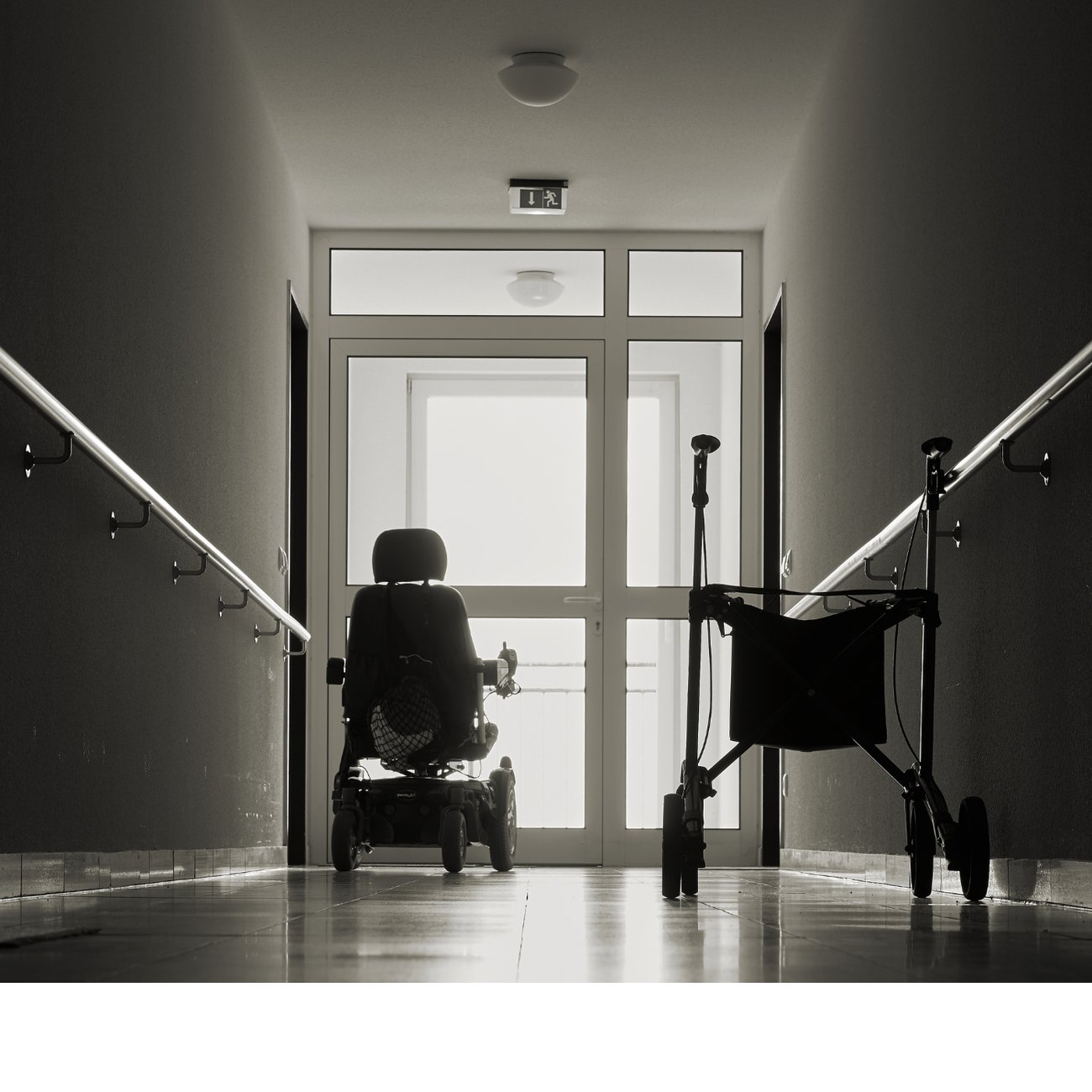
Weakness continues to rise. Loss of balance continues to rise. Dependence on medications continues to rise. Perhaps most concerning of all, loss of independence continues to rise. I spent nearly a decade working in a nursing home setting. It’s not a place anyone ever wants to be.
|
 |
|
How does this happen?
The answer is much simpler than most people realize. Your body was never designed for comfort. It was designed for challenge.
Now before you think I’m suggesting we abandon modern life and return to chopping wood and beating our clothes on a rock at the river, bear with me. I am not against comfort. I enjoy hot showers and the conveniences of modern life just as much as anyone else. What concerns me is the amount of comfort that has replaced movement in our daily lives.
You see, your body operates according to a very simple principle: it adapts to the demands placed upon it. If you challenge a muscle, it becomes stronger. If you challenge your balance, it improves. If you regularly load your bones through activity, they become more dense. If you ask your heart and lungs to work, they become more efficient.
The opposite is also true. When a system is no longer challenged, the body begins to reduce its investment in maintaining that function. Muscles weaken. Balance declines. Bone strength decreases. Endurance fades. This process is not punishment or old age in action. It’s efficiency. Your body is simply responding to what it believes you need.
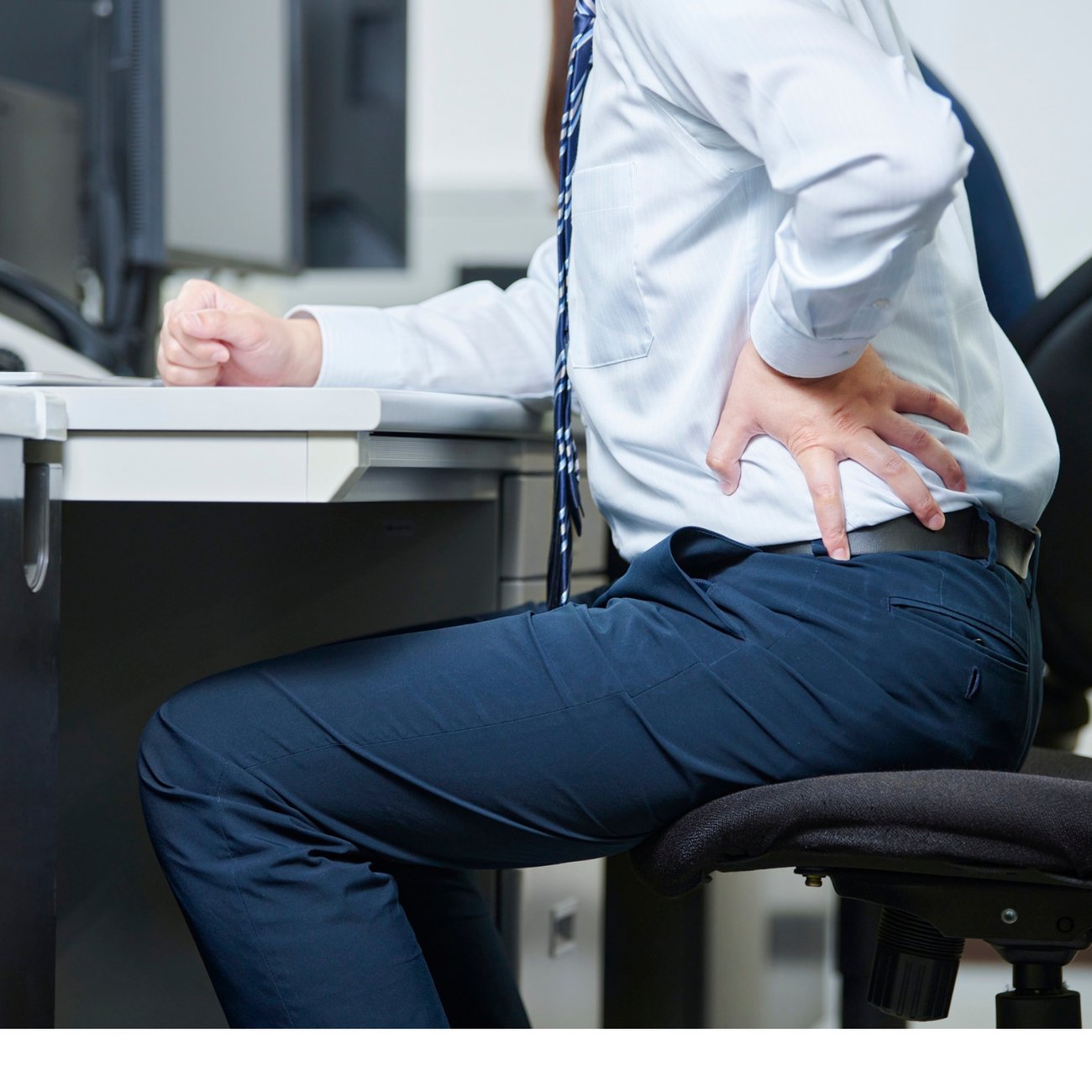
The problem is that decline happens so gradually most people never notice it, until it’s too late. |
 |
|
A person stops getting down on the floor because it feels difficult. A few years later they discover they can no longer get up from the floor without assistance. Someone begins avoiding stairs because they feel a little winded. A few years later climbing a single flight becomes exhausting. Another person gradually stops taking walks because of stiffness or discomfort. Over time, their endurance disappears and even a trip through an airport or a parking lot becomes a challenge.
The decline seems sudden when we finally notice it, but it rarely is. Most often it happens one small decision at a time.
I remember a gentleman who came to see me many years ago. He was in his mid-eighties and his wife had become concerned because he was now needing assistance rising from a chair. During our conversation he looked at me and said, "Don't you think at my age I've earned the right to rest?"
It was an honest question.
He had worked hard his entire life. He had raised a family, paid his bills, and contributed to his community. He felt he deserved a season of rest. The problem was that his body did not understand retirement.
His muscles didn't know he had stopped working. His balance system didn't know he was eighty-six. His joints didn't receive a message saying they no longer needed to function well. His body simply responded to the demands being placed upon it.
-
Less movement.
-
Less challenge.
-
Less strength.
-
Less balance.
-
Less endurance.
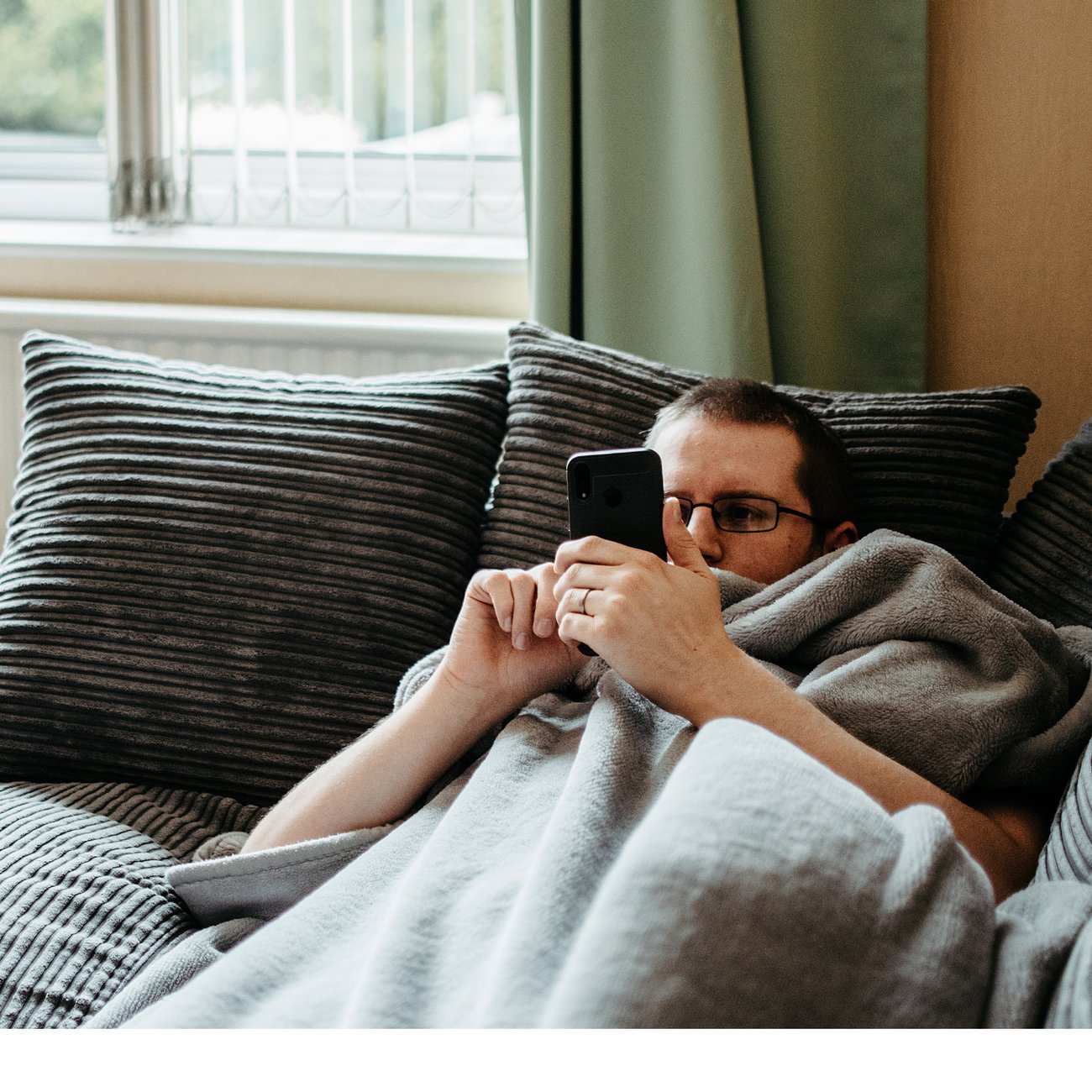
Within a relatively short period of time he found himself struggling with many of the very things he believed were caused by getting older. Yet the real culprit wasn't his age. The real culprit was inactivity. He had stopped doing anything physical, even a morning walk to the store for the paper. |
 |
|
One of the greatest myths in our culture is that decline is an unavoidable consequence of getting older. If you’ve heard me speak more than once, you’re aware I expose that myth regularly. Certainly, there are diseases, injuries, and conditions that can impact our health. Life happens. None of us are immune from that reality. However, after decades of working with people in hospitals, home care, outpatient settings, nursing homes, and private consultations, I have repeatedly observed something important.
Those who continue to move generally continue to function.
Those who stop moving generally stop functioning.
The body is remarkably forgiving. It wants to adapt. It wants to improve. It wants to maintain strength and independence. But it requires a reason to do so.
Your body only maintains the abilities it believes you need. If you never ask your muscles to work, your body assumes they are unnecessary. If you never challenge your balance, your body assumes balance is no longer important. If you never place meaningful demand on your cardiovascular system, your body adapts to that lower level of activity.
This is why stillness is so dangerous. It quietly convinces the body that strength, mobility, balance, and endurance are optional. Then one day we discover they were essential all along.
The good news is that your body is always listening. Every time you challenge it appropriately, you send a powerful message. You tell your muscles they are still needed. You tell your bones to remain strong. You tell your balance system to stay sharp. You tell your heart and lungs that life still requires energy and vitality.
|
 |
|
The remarkable thing is that this doesn't require becoming an athlete. It simply requires becoming intentional.
The goal is not to train for a marathon unless that excites you. The goal is to maintain the physical abilities required to fully enjoy your life. To rise from a chair without help. To carry groceries. To travel. To play with grandchildren. To garden. To walk confidently. To live independently.
These abilities are not preserved by chance. They are preserved by use. The hidden cost of comfort is that comfort slowly steals capacity. The hidden gift of movement is that movement restores it.
And, that gentleman I mentioned earlier? In just 2 to 3 weeks he had gained enough strength to leg press over 200 pounds and was getting up out of the chair like a shot!
You don't need perfection. You simply need participation. It’s never too late to get started.
Keep moving. Your future self is counting on it. |
|
|
 |
|
Would you like to locate the core issue(s) of your pain, balance deficits, or weaknesses and learn how to address them with powerful (safe) self-care methods so you can move without pain and age without decline? You can work with Eileen one-on-one! Just ask a question or schedule a consultation via Zoom by clicking the button below.
You CAN resolve pain and age independently by training authentically and nourishing well. |
| Click Here to Learn More |
|
|
 |
Recipe of the Month
Smoky Chipotle-Chocolate Chili
For about a year, I taught advanced monthly nutrition classes with a full theme each month. One month I did a chocolate theme and this was the main course. It was a big hit! Enjoy.
Preparation: 10 minutes
Cooking time: 25-30 minutes
Servings: 2-4
Ingredients:
-
1 large sweet onion, finely chopped
-
4 cloves of garlic, chopped
-
2 tablespoons cocoa
-
2 tablespoons chili powder
-
1 teaspoon ground cumin
-
1 teaspoon smoked paprika
-
1/2 teaspoon dried oregano
-
1 teaspoon dark brown sugar (or sweetener of choice)
-
1/2 teaspoon sea salt (or to taste)
-
1/4 teaspoon freshly ground black pepper
-
1 (14.5 ounce) can of diced fire-roasted tomatoes, including juice
-
1 (14.5 ounce) can of crushed tomatoes
-
2 canned chipotle chilies in adobo, minced (Warning: Start with one, especially if you don't like a lot of heat. You can always add in the other one after tasting)
-
2 (15 ounce) cans black beans, drained & rinsed
-
1 cup vegetable broth (extra 1/4-1/2 cup for cooking onion)
Highly Recommended Options:
-
1 1/2 cups of roasted or plain frozen corn, thawed.
-
1 small cooked sweet potato, cubed into small pieces
Sauté the onion and garlic, using veggie broth to keep from sticking as needed, cooking about 5 minutes.
Stir in the chocolate, chili powder, cumin, paprika, oregano, sugar, salt and pepper. Add the diced & crushed tomatoes, and chipotle chilies and stir until well blended.
Add the beans and troth and bring to a boil. Note: If you are adding in the corn &/or sweet potato, add it in now. Reduce the heat to medium low and simmer uncovered, stirring occasionally, until the chili thickens and the flavors have developed, 20-25 minutes.
Taste and adjust the seasonings. Serve hot.
|
|
|
Want peace & joy instead of fear & stress? |
|
|
|
|