|
|
|
|
Have Lifelong Wellbeing Newsletter |
August 2026 |
|
|
|
|
|
|
|
Welcome to the 143rd edition of the Have Lifelong Wellbeing monthly newsletter! |
|
If you are a new reader, please know it's my life's passion to erase pain from the world and empower lives to age with strength, truth, wisdom, and joy. This newsletter is a cherished labor of love and I thank you for allowing me into your inbox each month. I'm humbled by your trust in me to provide content of value and I will continue to strive to that end. |
|
|
|
|
|
|
|
|
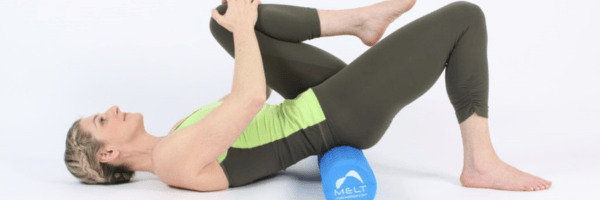
This Month's LIVE MELT Class:
Shoulder Release
August 11th at 5 pm Eastern Recorded if you can't make it live
Join us for a new MELT Class each month! Purchase 5 classes and get a class FREE! Special discount for Academy and paid level Private Club members. |
| Click Here to Learn More |
 |
|
|
On-Demand Virtual Classes
For those with a challenging schedule ~ recorded classes to access 24/7, INCLUDING an effective four class series for Urinary Incontinence done on your feet, an Age Well With Strong Bones course, and a Nourish Your Body for Lifelong Wellbeing course! |
| Click Here to Learn More |
|
|
MONTHLY EVENTS FOR HLW ACADEMY STUDENTS |
|
|
Office Hours with Eileen
August 3rd at 12 pm Eastern
Topic: Sciatica This is a special hour to learn something new from Eileen and get your questions answered on any of the following topics: pain, aging, exercise, nutrition.
Monthly Reward Event
August 4th at 12 pm Eastern
Guest Speaker:: Aletia Tomkins: Navigating RA
Unique Workout
August 4th at 11 am Eastern
This week: I've Got Your Back. Every Tuesday is a unique workout that promotes optimal mobility, stability, strength, or stamina in 3 planes of motion. Taught LIVE with Q&A. |
| Click Here for Academy |
|
|
This Month's Article |
How Your Back Really Works Part 2 |
|
|
|
Last month we looked at the surgical risks and how often surgery fails to fix back pain. I want to emphasize I am not always against surgery. There are times it’s necessary; yet so often it’s not the answer. It’s critical to be sure. I also introduced the everything’s connected concept.
We will now look at the anatomical design of your back and why some issues occur more than others.
|
 |
|
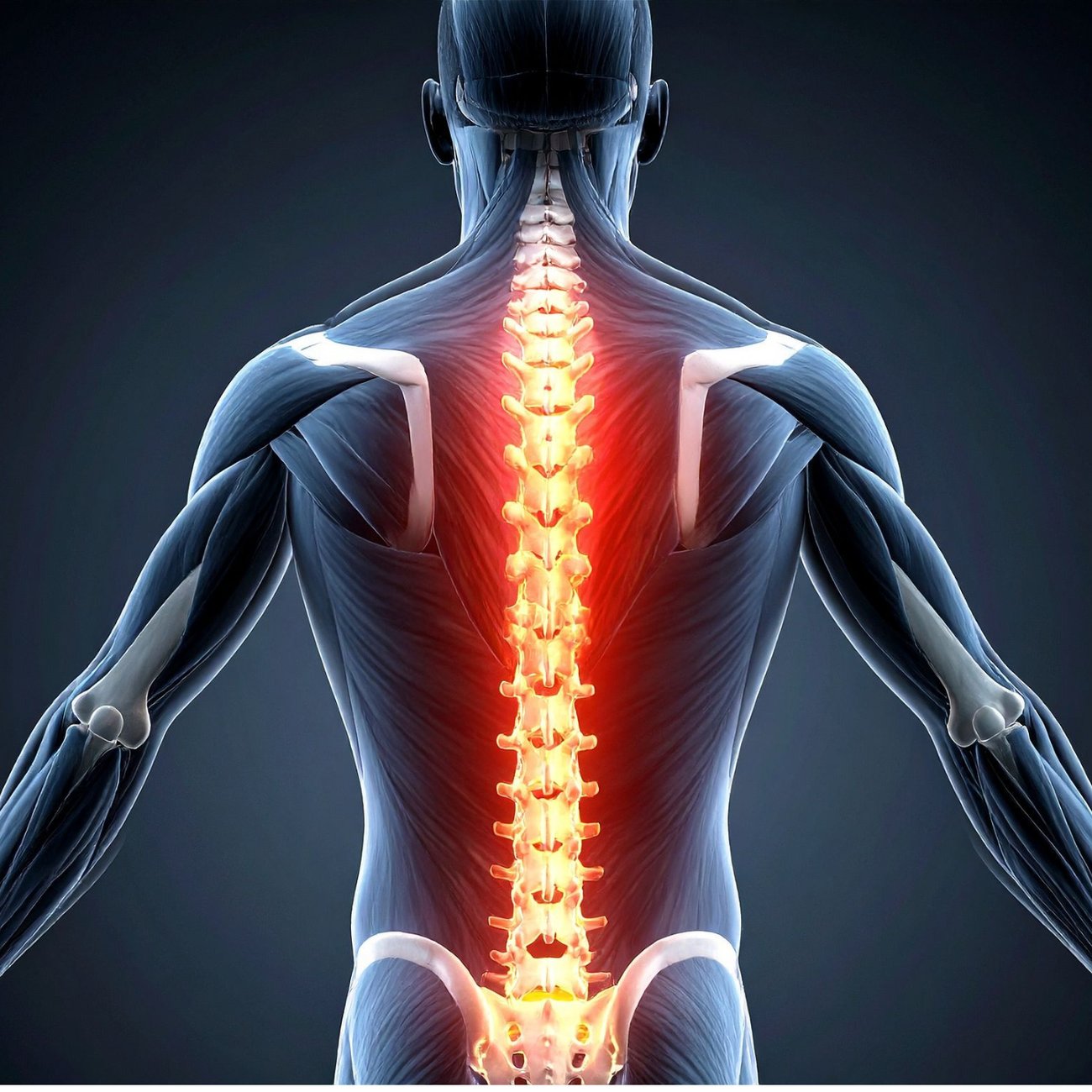
Back Anatomy
Let’s begin with some basics.
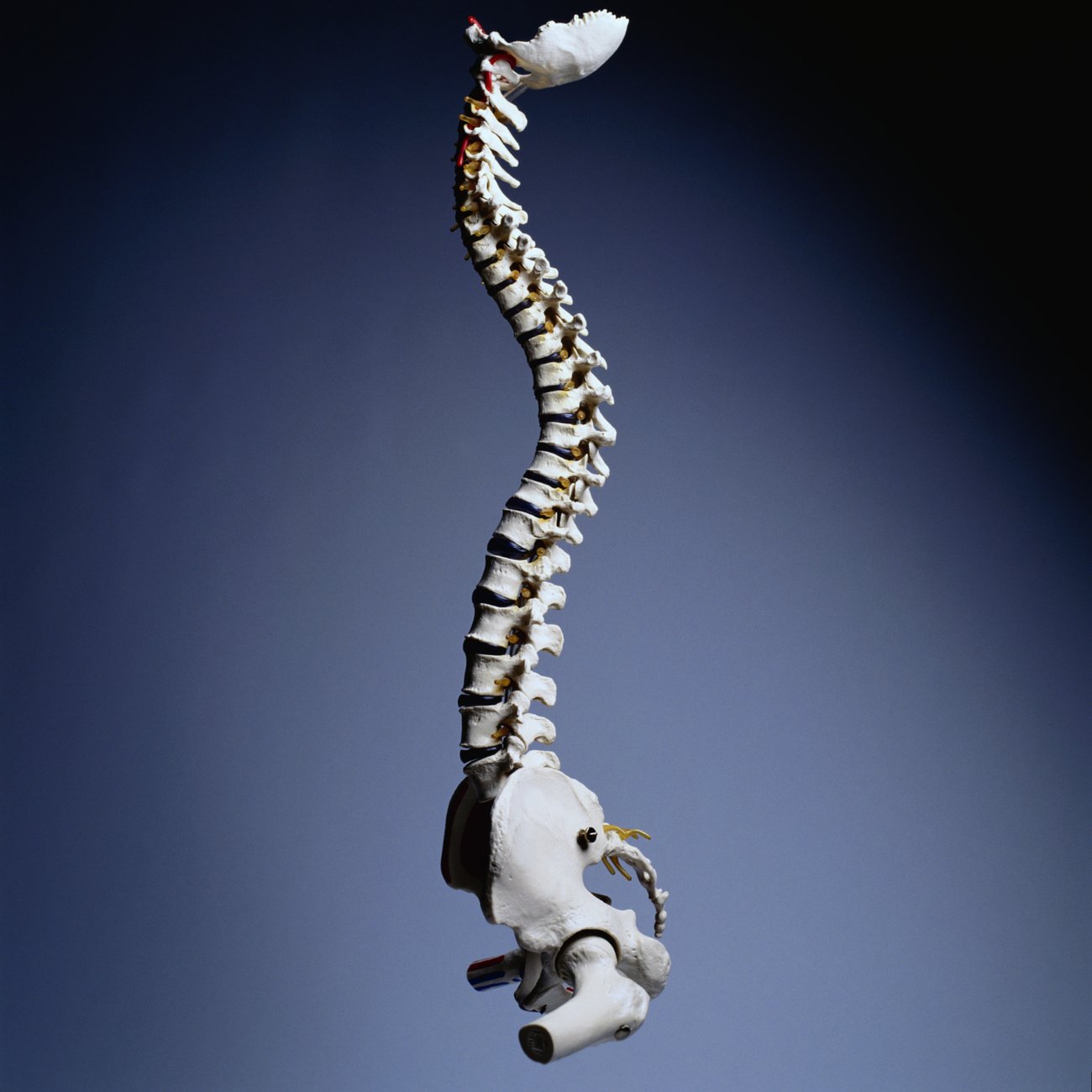
24 movable blocks, 33 vertebrae total, make up your spine with discs between those that move for cushioning and shock absorption. These vertebrae have been given specific designations. 7 cervical, 12 thoracic, and 5 lumbar all have motion. The ones that don’t move are in your sacrum and coccyx.
It is critical for you to know that your spine is one continuous anatomical structure. Your neck, trunk, and low back do not have a wall between them preventing them from communicating and affecting each other during physical movement and function. When you move, your whole spine moves.
Since this is Back Anatomy and not Neck or Trunk Anatomy, I will focus much of the information to the lumbar area of the spine; but please remember, your low back, trunk, and neck are all intimately related.
Ok, your back is made up of bones/joints, discs, muscles/tendons, ligaments, nerves, and blood vessels. There is also an important structure called thoracolumbar fascia, but I am not providing fascial information here in order to keep this more easily digested. Fascia may be a good topic for a future newsletter. |
 |
|
Let’s start with Bones and Joints.
As stated above there are 33 vertebrae that make up your spine; 24 are mobile and the other 9 are fused. Your sacrum (that upside-down triangle bone at the bottom of your spine with the point being your tailbone) has 5 fused vertebrae and your coccyx has 4 which become fused as you move beyond infancy and childhood. As they all influence each other it is not rational to compartmentalize them as the medical profession is known to do.
Reductionism, coined by Dr. T. Colin Campbell in his book, Whole, happens all the time when treating pain. Treating the spine like nothing is connected to anything else happens all the time. Let me explain why in a way that does not require a whole book.
The reason your spine is considered to have separate sections is that the vertebrae have different shapes and rest upon each other at differing angles where the facets meet. The facets are like articular pillars that provide structural stability to your spinal column. They work with the discs to transfer loads and guide and constrain motion based on how they orient to each other. This is also why different parts of your spine have different motions available to them.
|
 |
|
The vertebrae between each differently named section are called transitional and they resemble both sections. This means C7, at the bottom of the cervical vertebrae, is similar to the thoracic vertebrae below and T12, at the bottom of the thoracic vertebrae, is similar to the lumbar vertebrae below.
Let me explain motion in the whole spine so you have a good understanding of how other areas can affect your back. Your cervical vertebrae, excluding the first two, atlas and axis, are small and oval-shaped. The facets sit at a 45’ angle and all movements are possible such as forward flexion, backward extension, lateral flexion (side bending), and rotation right and left. Your cervicothoracic junction is where your neck and trunk meet.
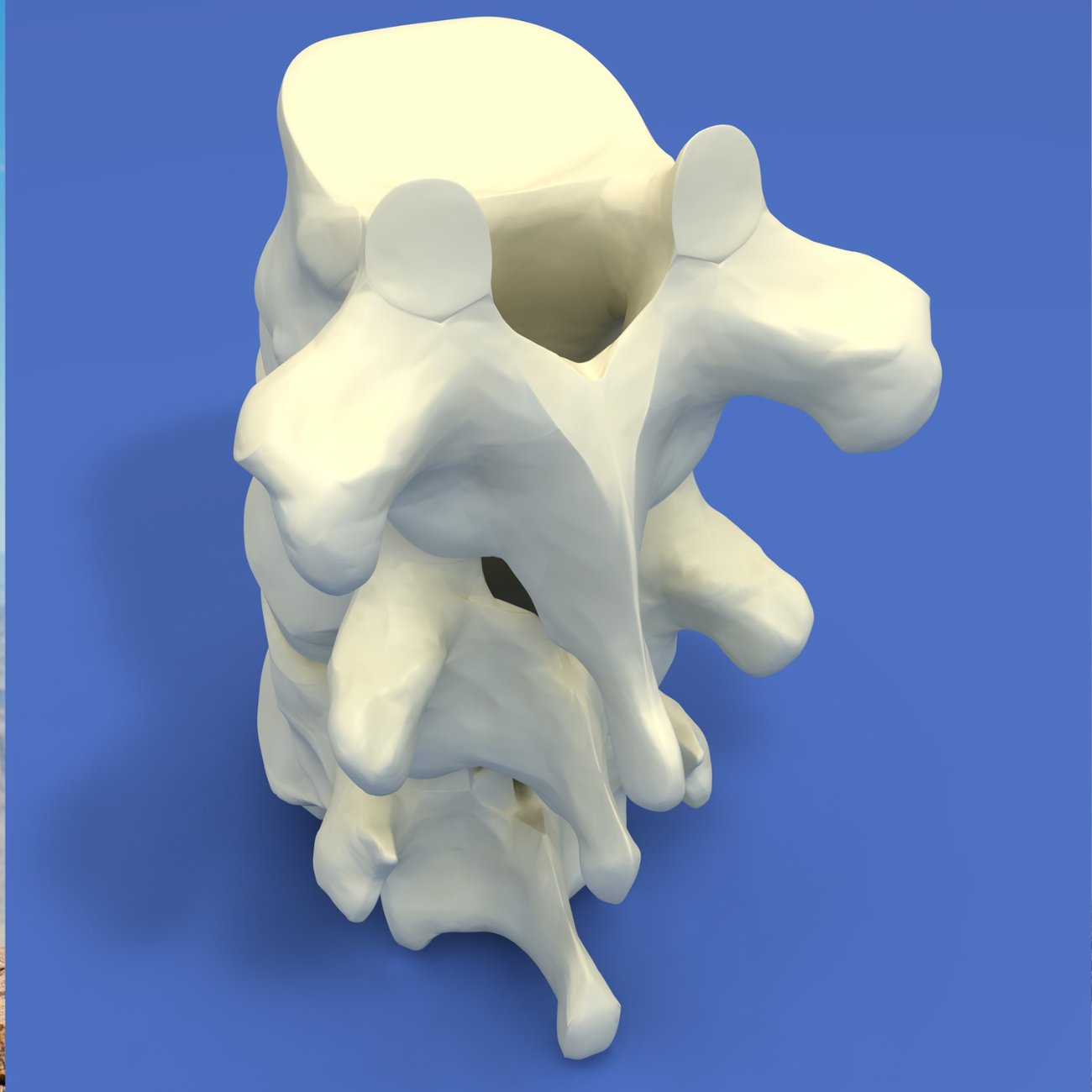
Your thoracic vertebrae are kidney-shaped. The facets sit at a 60’ angle and movements here include side bending, bending forward and back, and rotation right and left. Your thoracolumbar junction is where your trunk and low back meet. |
 |
|
Your lumbar vertebrae have large kidney-shaped bodies. The facets sit at a 90’ angle and movements in the lumbar spine are fairly limited to flexion forward and extension backward. There is some small amount of side bending and very little rotation. This is why it is imperative to have functional rotation in your hips and thoracic spine. If you don’t, your lumbar spine gets quite stressed trying to supply something it is not designed to do. This is also why, for many years, people have been told not to twist their spine. This is not rational since it is not possible to live well without turning so the priority is to ensure rotation occurs where it belongs; in your neck, trunk, and hips.
Your lumbosacral junction is the place between your lumbar spine and your sacrum. A simple way of explaining motion here is that it is reciprocal. When your lumbar spine bends forward your sacrum extends backward and vice versa. It's more complicated than this, but this will suffice as an explanation if you are not an anatomy expert.
This motion is necessary and why, in my opinion, spinal fusions often fail at this level. Quite often, fusions are recommended above and below a past fusion because the motion needs to occur somewhere and it occurs in excess above and below a fused level.
When motion is lacking or excessive due to muscle weakness, imbalance, or biomechanical issues, pain and dysfunction happen. L5/S1 surgeries are quite common as are L4/L5 surgeries just above this junction.
Your low back’s job is to translate rotation from below up into the trunk and to translate rotation from above down into the hips. If your trunk or your hips are lacking rotation, your low back will not be happy.
Next month, in part 3, you will learn how the design of the spine provides strength and we will look at discs, muscles, and ligaments.
|
|
|
 |
|
Would you like to locate the core issue(s) of your pain, balance deficits, or weaknesses and learn how to address them with powerful (safe) self-care methods so you can move without pain and age without decline? You can work with Eileen one-on-one! Just ask a question or schedule a consultation via Zoom by clicking the button below.
You CAN resolve pain and age independently by training authentically and nourishing well. |
| Click Here to Learn More |
|
|
 |
Recipe of the Month
Vegan Potato Omelet
This is absolutely delicious! Just when you thought breakfast had to be oatmeal to be healthyl! I came across this recipe on Youtube and couldn’t wait to try it. I used a non-stick pan lightly sprayed with oil. Very little is needed if your pan is a good non-stick pan. I LOVE potatoes, don’t you? 😊
Altered (less oil) From Tasty Vegan Bites
Ingredients (see tip below)
-
~3 cups peeled potatoes, cut into ½” cubes
-
1 cup of chickpea flour
-
1 cup of water
-
1 ½ tsp of sea salt (Himalayan pink salt is my fave)
-
¼ tsp black salt (kala namak gives an “eggy” flavor)
-
Spray of oil
Bring a large pan of water to the boil with 1/2 tsp of salt. Cook potatoes until just tender.
Once potatoes are cooked, drain and set aside. In a large bowl, mix 1 cup of chckpea flour and 1 cup of water with 1 tsp of salt and 1/4 tsp of black salt. Add potatoes to the mixture.
Heat 9” round non-stick frying pan until hot.
Pour in mixture, neaten sides and flatten top.Reduce heat to medium/low and cover with a lid.
Cook for 8-10 minutes. With a silicone spatula release the sides and bottom of the omelet from the pan.
Using a wet plate, turn the pan upside down and slide the omelet back into the pan. Cook for a further 8-10 minutes. For best results let cool slightly before cutting and serving.
Tip:
You can add chopped (water sauteed) onions, peppers, garlic or roasted peppers or any other ingredient you like. Make it yours!
|
|
|
Want peace & joy instead of fear & stress? |
|
|
|
|