|
|
|
|
Have Lifelong Wellbeing Newsletter |
September 2026 |
|
|
|
|
|
|
|
Welcome to the 144th edition of the Have Lifelong Wellbeing monthly newsletter! |
|
If you are a new reader, please know it's my life's passion to erase pain from the world and empower lives to age with strength, truth, wisdom, and joy. This newsletter is a cherished labor of love and I thank you for allowing me into your inbox each month. I'm humbled by your trust in me to provide content of value and I will continue to strive to that end. |
|
|
|
|
|
|
|
|
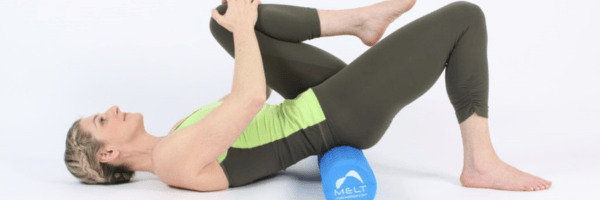
This Month's LIVE MELT Class:
Hip Pain
September 8th at 5 pm Eastern Recorded if you can't make it live
Join us for a new MELT Class each month! Purchase 5 classes and get a class FREE! Special discount for Academy and paid level Private Club members. |
| Click Here to Learn More |
 |
|
|
On-Demand Virtual Classes
For those with a challenging schedule ~ recorded classes to access 24/7, INCLUDING an effective four class series for Urinary Incontinence done on your feet, an Age Well With Strong Bones course, and a Nourish Your Body for Lifelong Wellbeing course! |
| Click Here to Learn More |
|
|
MONTHLY EVENTS FOR HLW ACADEMY STUDENTS |
|
|
MONTHLY EVENTS FOR HLW ACADEMY STUDENTS |
|
|
Office Hours with Eileen
It's Labor Day
No Office Hours this month due to the holiday.
Monthly Reward Event
September 8th at 12 pm Eastern
Special Treat: 4 Week Posture Reset Class provided.
Unique Workout
September 8th at 11 am Eastern
This week: I've Got Your Back Part 2. Every Tuesday is a unique workout that promotes optimal mobility, stability, strength, or stamina in 3 planes of motion. Taught LIVE with Q&A. |
| Click Here for Academy |
|
|
This Month's Article |
How Your Back Really Works Part 3 |
|
|
|
In Part 1 we looked at the risks of back surgery. In Part 2 we covered the anatomical design of your back and why some issues occur more than others. We will now look at discs and muscles.
|
 |
|
Basic Back Anatomy
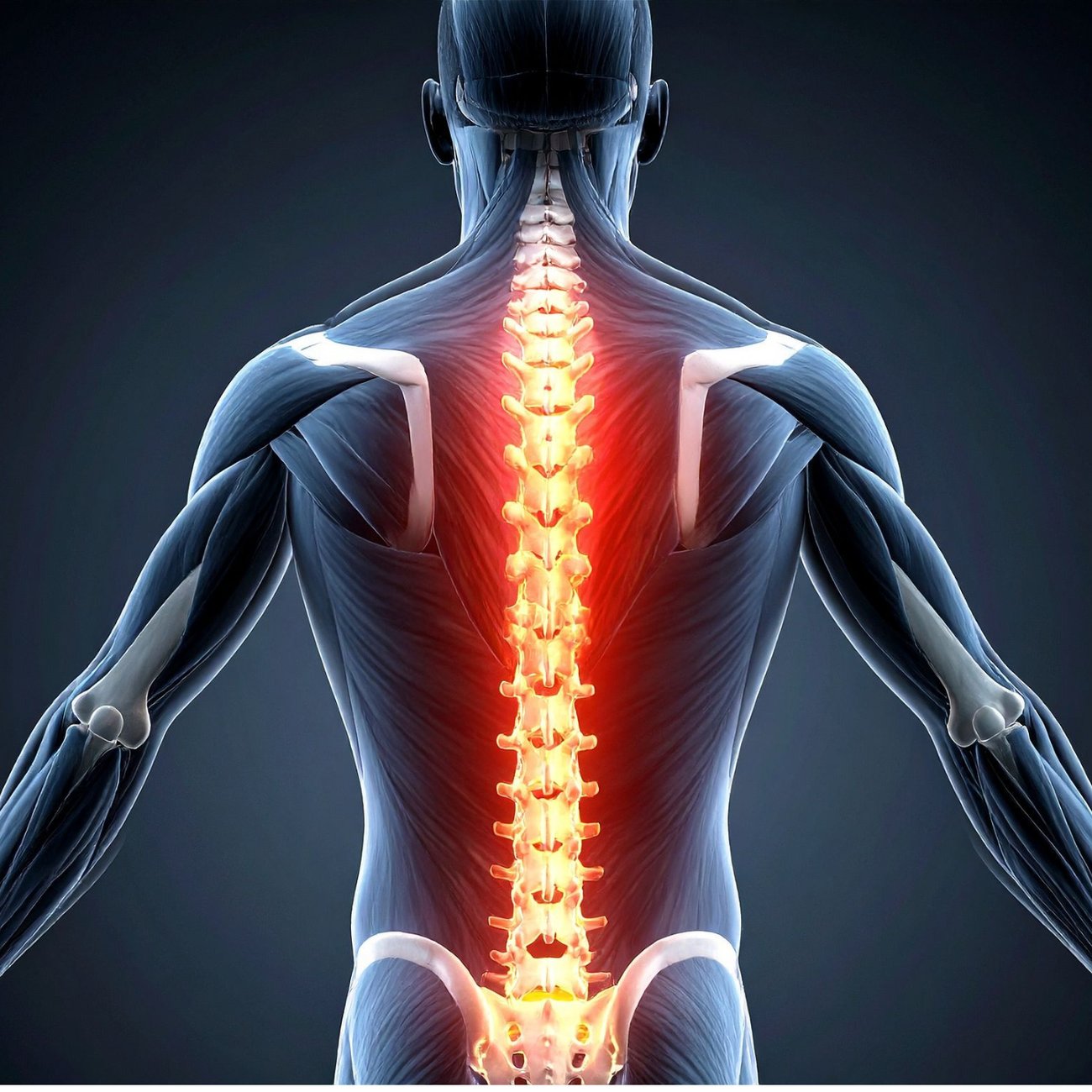
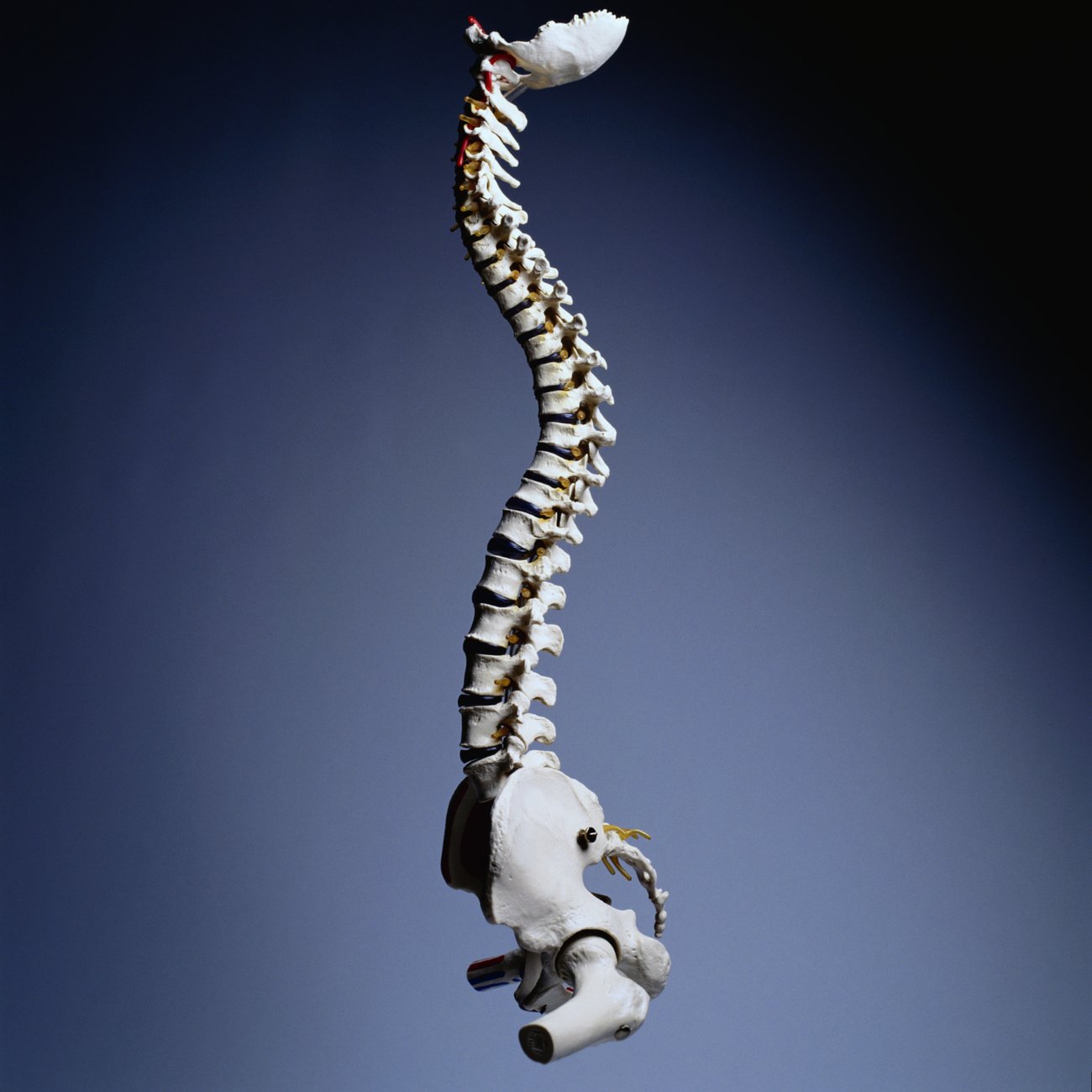
Before we get to discs, I want you to know your spine is not designed to be straight. Your spinal vertebrae orient in such a way as to create curves. These curves are most visible when looking at your spine from the side.
Your neck is curved in (cervical lordosis), your mid back is curved out (thoracic kyphosis), your low back is curved in (lumbar lordosis), and your sacrum is curved out (sacral kyphosis). These curves are there to act like a coiled spring to absorb shock, help maintain balance, and aid with range of motion.
Your back is much stronger because of these curves. Think of thin, fragile-looking legs on an antique chair. They are curved to provide strength and support so the chair can handle a load. Chronic pain and problems arise if you have less than or more than a normal spinal curve in any area.
Discs |
 |
|
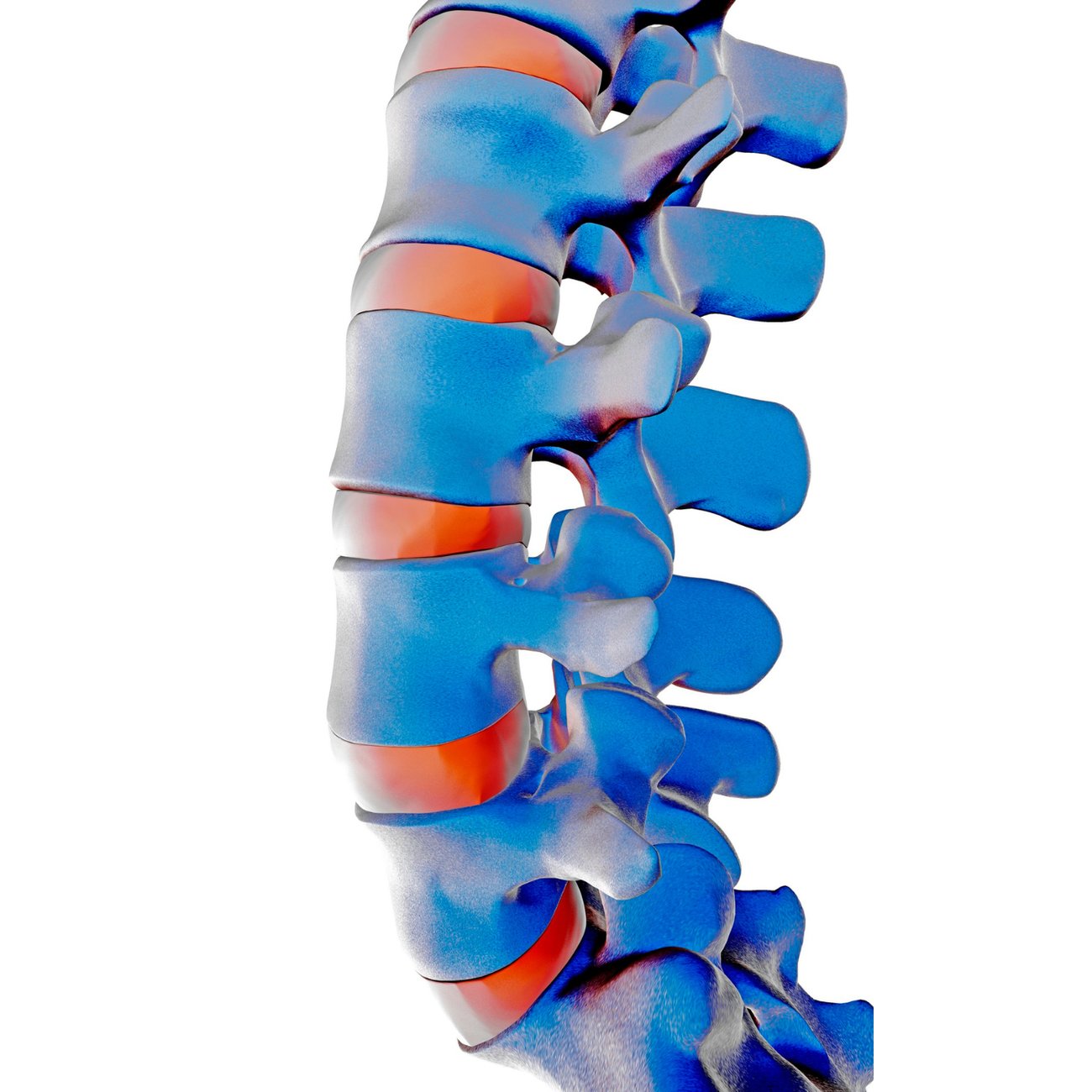
Your discs separate and protect your vertebrae from rubbing together, providing cushioning. They have an outer ring called the annulus (much like a radial tire with crisscrossing fibrous bands) and a gel-filled center called the nucleus. They kind of function like a coiled spring as the crisscrossing fibers pull the vertebrae together against the elastic resistance of the gel-filled nucleus.
Think of the nucleus like a ball bearing. When you move, it allows the vertebrae to roll over the incompressible gel. This gel is mostly fluid, which is absorbed somewhat during the night when you lie down and gets pushed out during the day as you move in upright positions. This fluid movement can be why you experience more pain upon waking, and once you get moving, you feel better until the next morning arises.
There are four terms commonly used to describe disc herniations: bulging, protruded, extruded, and sequestered. Bulging and protruded terms are interchangeable, and they represent when the disc is still intact but migrating toward or against structures like nerve roots. Extruded means the gel of the nucleus is leaking from the outer annulus but still attached to the disc. Sequestered means the gel and possibly pieces of the annulus are completely separated from the disc. These pieces or the gel can end up in places that put pressure on nerves and create severe pain.
|
 |
|
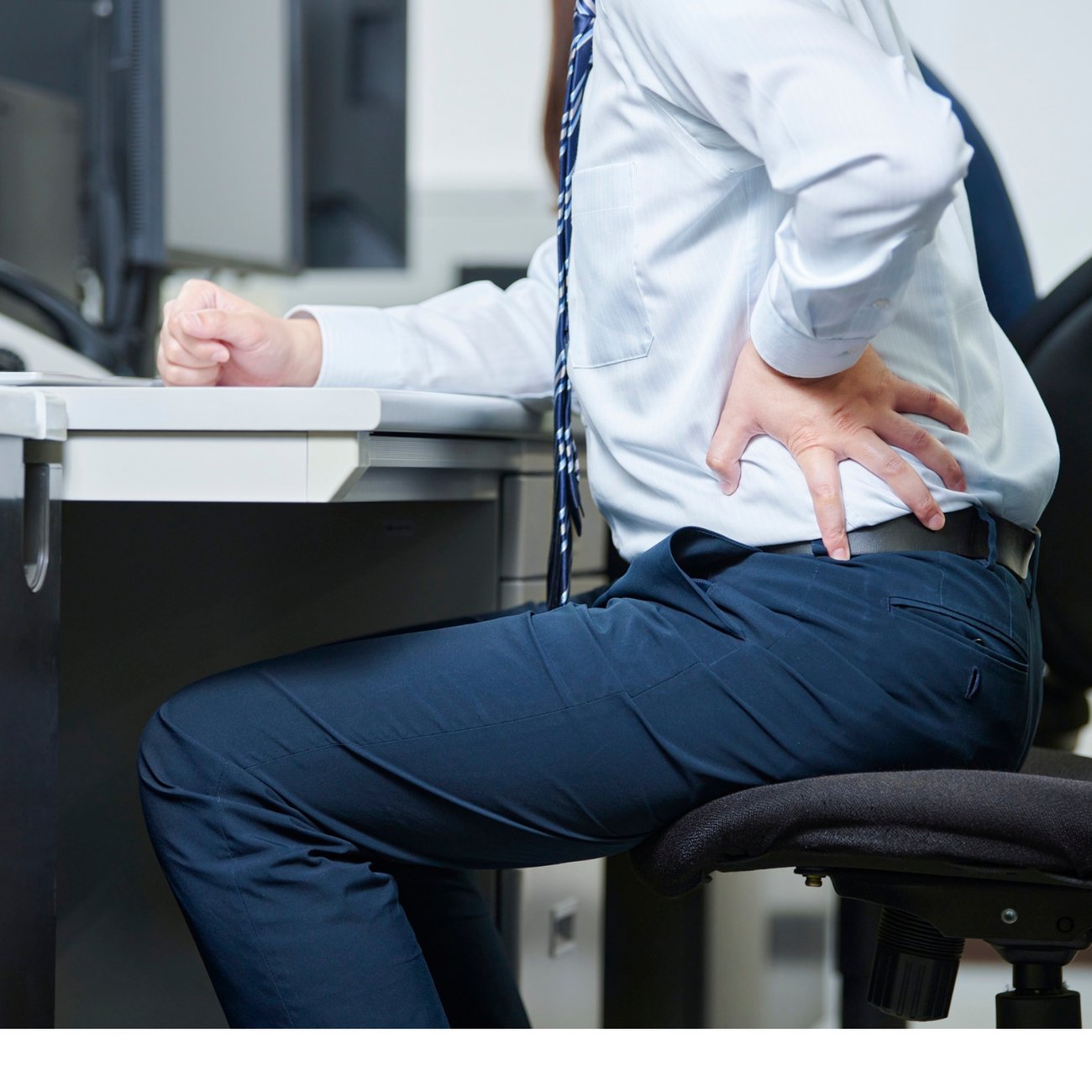
The medical world only sees sequestered as true herniations. You will see HNP (herniated nucleus pulposus) written. Please note that much of the general population shows bulges upon MRI imaging and experience no pain or symptoms. One would consider imaging to represent
structural issues that are causing pain. Unfortunately, this is not always the case. The lack of correlation between imaging results and low back pain is well known in the research world.
Chronic low back pain is often blamed on degenerative changes, yet X-rays, CT scans, and MRI's consistently show the presence of bulged/herniated discs, subluxations, scoliosis, osteoarthritis, pinched nerves, etc. and it all appears unrelated to whether or not someone experiences chronic pain.
Don't assume a bulging disc is the reason for your pain. It may be, but I have found it is often not the reason, and addressing other things brings relief and success. If you are tripping on your toes, however, or any other sign of unexplained muscle weakness, see a neurosurgeon quickly!
|
 |
|
Muscles/Tendons
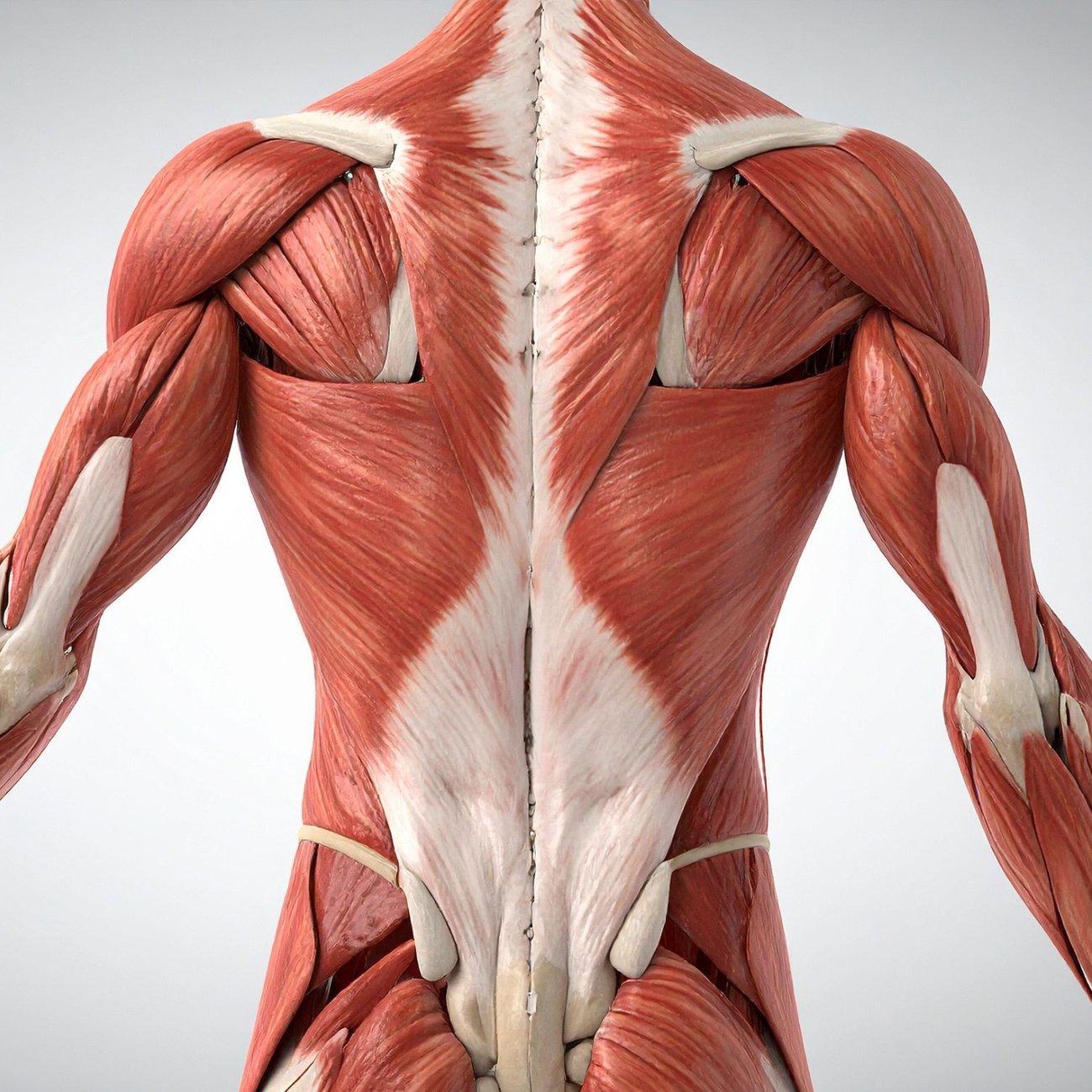
Many muscles provide movement and stability for your spine. Also note, stability provided (or lacking) by your spine affects the function of your shoulders and neck above and your hips below.
Tendons are how your muscles attach to your bones. They are flexible and part of the muscle itself, just more fibrous, which provides more strength. You can think of a sausage where the meat is the muscle, and the ends are the tendons where the muscle attaches to the bone. It's important to note here that muscle function at your shoulders, hips, and elsewhere can have a substantial impact on how well your back functions.
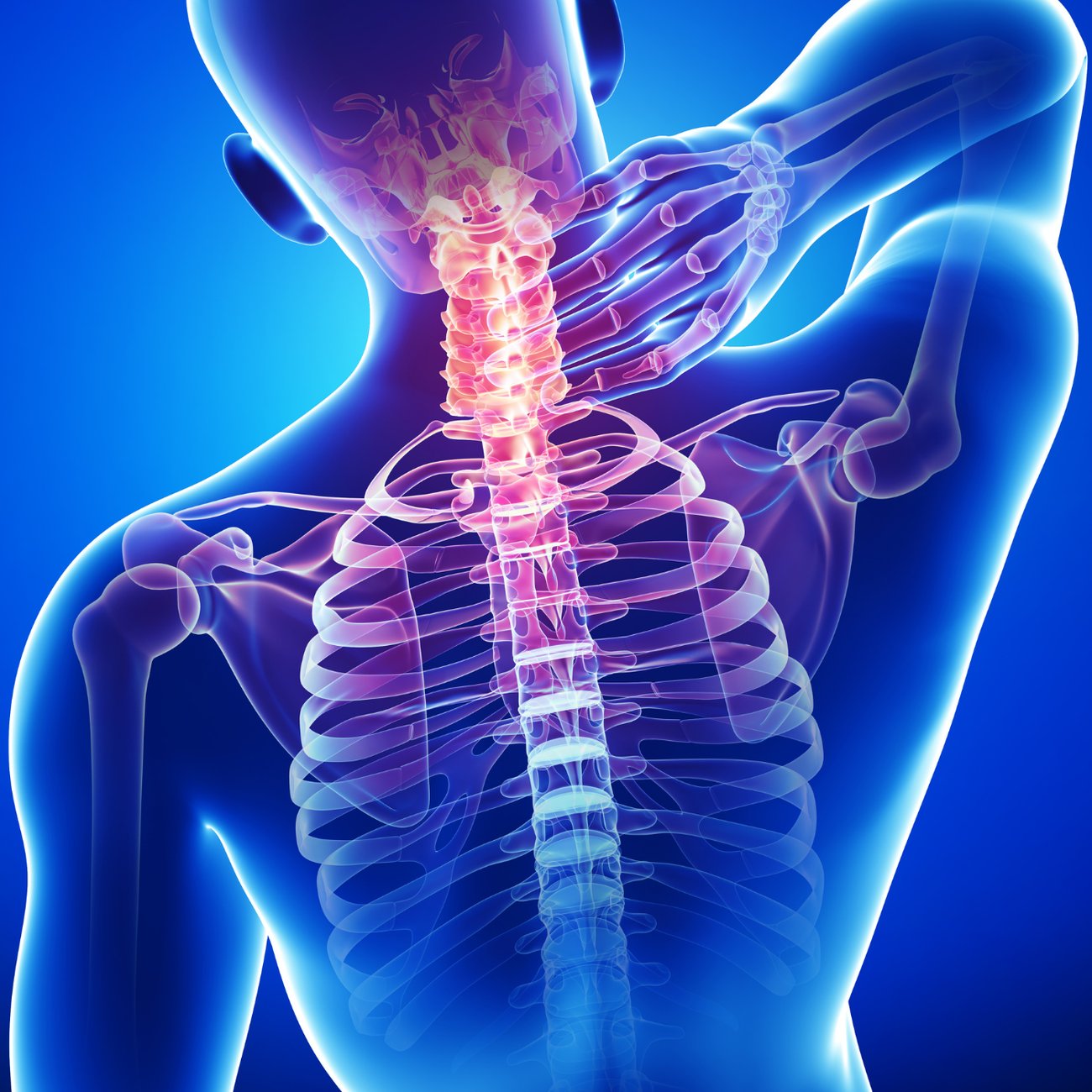
This is because your body is not segmented; it is whole, and all the parts work together in unison with movement. No movement is isolated; that is not how you function. Some muscles go from your neck all the way down to your sacrum. This fact is why I get annoyed when someone is told their neck pain has nothing to do with their back or vice versa.
I was once told by a supervisor I was not allowed to treat a patient below the neck if they were there for a neck problem! I asked her how low could I treat (she didn't sense my sarcasm), and she replied, "no lower than T2 or T3." I could not believe her lack of knowledge and awareness of how to help her patients. Many healthcare professionals fall into this mindset.
|
 |
|
If you only learn one thing from this writing, please let it be this. When you have back pain or instability, it's vital to address your whole-body function and not just focus on your back. I assess the neck of every back pain patient and the back of every neck pain patient.
I do need to mention here that some insurance plans, such as worker’s compensation and Medicare, will not pay for treatment to a body part that is not on the prescription. If a person is injured at work, given the diagnosis of shoulder pain, and the clinician performs treatment to their back to address the reason for the shoulder problem, the insurer will refuse payment for that visit.
The denial of payment is because the script was for shoulder treatment, not back treatment. A skilled and experienced clinician can document accurately and substantiate the treatment. An inexperienced clinician won't know enough to look at their back. If they do, they won't treat it because they have been misinformed and believe they are not allowed.
Ok, let's list the muscles that attach to the spine for those of you who love details.😊
You have superficial muscles that connect your trunk to your arms and control their movement (Latissimus Dorsi, Levator Scapulae, Rhomboids, Trapezius). You have deep muscles that affect posture and move the vertebral column, collectively called the Erector Spinae Muscles (iliocostalis, longissimus, spinalis, semispinalis, multifidi, rotators). |
 |
|
Other muscles that impact spine function are quadratus lumborum (from hip to lower spine), and abdominal muscles (rectus abdominus, external/internal oblique, and transverse abdominus). The deep psoas muscles that attach from your front hip to your lumbar vertebrae also play a huge role in low back function. Let's not forget the all-important gluteal muscles. There are three superficial gluteal muscles: maximus, medius, and minimus, and they connect your ilium (hip bone; the ones your mother put her hands on when you were in trouble 😊) and your sacrum to your femur (thighbone).
The gluteus maximus is the most powerful muscle in your body. There are also several deep gluteal muscles: quadratus femoris, piriformis, gemellus superior, gemellus inferior and obturator internus.
I will end this section with a simple statement. The function of your spine is largely dependent on the strength of your gluteal muscles, your power source, and the mobility of your psoas. If you struggle to push open a heavy door or stand up without low back pain you may want to address these two areas.
Next month we will learn more about the workings of the low back. Until then… please remember you are a whole body and everything is connected to everything else. |
|
|
 |
|
Would you like to locate the core issue(s) of your pain, balance deficits, or weaknesses and learn how to address them with powerful (safe) self-care methods so you can move without pain and age without decline? You can work with Eileen one-on-one! Just ask a question or schedule a consultation via Zoom by clicking the button below.
You CAN resolve pain and age independently by training authentically and nourishing well. |
| Click Here to Learn More |
|
|
 |
Recipe of the Month
Blueberry Overnight Oats
If you love blueberry muffins and blueberry pie, then these blueberry overnight oats will be a hit! It’s the perfect meal prep breakfast ready that only takes five minutes to make! 😊
From plant based on a budget
Ingredients (see tip below)
-
1 cup of plant-based milk
-
Pinch of salt (optional)
-
¼ teaspoon of vanilla extract
-
½ cup of blueberries
-
1 Tablespoon of maple syrup or agave or brown sugar
-
1 Tablespoon of shredded coconut (optional)
-
1 cup of rolled oats
-
½ cup of fresh blueberries for garnish (optional)
-
Blend all ingredients except for the oats and optional blueberries for garnish in a blender.
-
Add mixture to oats in a jar or a container with a lid.
-
Place in the refrigerator overnight or for at least 6 hours. Optionally serve topped with fresh blueberries.
|
|
|
Want peace & joy instead of fear & stress? |
|
|
|
|