|
|
|
|
Have Lifelong Wellbeing Newsletter |
October 2026 |
|
|
|
|
|
|
|
Welcome to the 145th edition of the Have Lifelong Wellbeing monthly newsletter! |
|
If you are a new reader, please know it's my life's passion to erase pain from the world and empower lives to age with strength, truth, wisdom, and joy. This newsletter is a cherished labor of love and I thank you for allowing me into your inbox each month. I'm humbled by your trust in me to provide content of value and I will continue to strive to that end. |
|
|
|
|
|
|
|
|
On-Demand Virtual Classes
For those with a challenging schedule ~ recorded classes to access 24/7, INCLUDING an effective four class series for Urinary Incontinence done on your feet, an Age Well With Strong Bones course, and a Nourish Your Body for Lifelong Wellbeing course! |
| Click Here to Learn More |
|
|
MONTHLY EVENTS FOR HLW ACADEMY STUDENTS |
|
|
Office Hours with Eileen
October 5
Open Q&A.
Monthly Reward Event
October 6th at 12 pm Eastern
Special Treat: Class series on Balance
Unique Workout
October 6th at 11 am Eastern
Every Tuesday is a unique workout that promotes optimal mobility, stability, strength, or stamina in 3 planes of motion. Taught LIVE with Q&A. |
| Click Here for Academy |
|
|
This Month's Article |
How Your Back Really Works Part 4 |
|
|
|
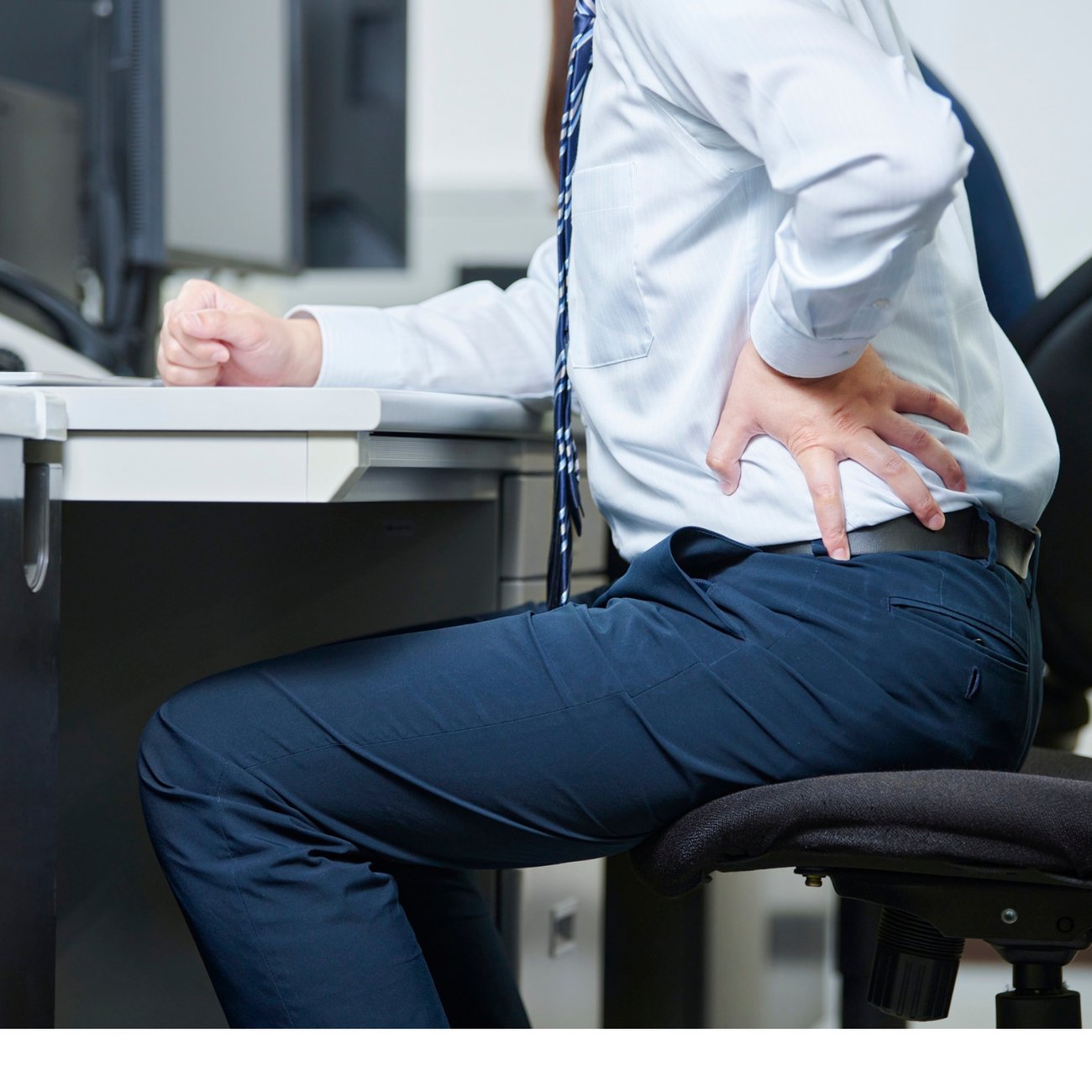
This month is Functional Back Education Part 4, or How Your Back Really Works Part 4.
This month we look at ligaments, nerves, and blood supply.
Basic Back Anatomy
Ligaments
Ligaments provide stability to your joints and attach bone to bone. They are very tough and fibrous with very limited flexibility. Once stretched, they tend to become lax which affects stability and, if stretched far enough, they can snap. You have spinal ligaments (supraspinous, interspinous, ligamentum flavum, posterior longitudinal, anterior longitudinal, intertransverse) and sacral/pelvis ligaments (iliolumbar, posterior sacroiliac, anterior sacroiliac, sacrotuberous, sacrospinous).
Finally, it is important to note you also have something called Thoracolumbar Fascia (back side)
and Abdominal Aponeurosis (front side) which assist with stabilizing your spine in an upright
position. Your fascial system is vitally important to address which is why I recommend the MELT
Method.TM
Some people have what I call “loosey goosey” ligaments. They tend to have a history of cheerleading or gymnastics. This is when it is of utmost importance to practice and focus on stability work consistently. Hormone level changes will also affect ligamentous stability. This is why some women experience back pain during their monthly cycle and why pregnancy is well known for back pain. That said, I have successfully treated many pregnant women for back pain. Pregnancy does not have to be months of pain and limited function.
|
 |
|
Nerve Supply
I will limit this section to the lumbar spinal nerves which are numbered 1 through 5. These nerves are in pairs (right and left) and exit the spinal cord underneath each correspondingly numbered vertebra through an opening called the foramen. The lumbar nerves supply and receive sensory information to and from these areas of your body: large intestines, buttocks, groin, reproductive organs, legs (thighs, knees, feet). There are several ways the function of these nerves can be impacted. The foramen can decrease in size due to bone spurs, the discs can decrease in height (degenerative disc disease) or bulge/herniate and produce pressure against the nerves.
Pain down your leg can also be due to your piriformis muscle putting pressure on your sciatic nerve. I have found this is often due to a sacral torsion which creates an abnormal pull on the piriformis. When you pull abnormally on a muscle it pulls back, like a low-level tug of war. In the majority of people, the piriformis sits on top of the sciatic nerve. A simple Muscle Energy technique to correct the torsion followed by a Strain and Counter strain technique to calm the piriformis will often resolve this issue.
Issues with these nerves can lead to constipation, colitis, diarrhea, gas pain, irritable bowel, bladder problems, menstrual problems, low back pain, and pain or numbness in legs. Of course, there are many reasons you can experience constipation, irritable bowel, menstrual problems, etc., not the least of which can be diet related. Low back pain can also occur for many reasons that have nothing to do with the nerves; such as poor stability due to weak glutes. |
 |
|
Blood Supply
If you have heard me speak at a conference or a class (or as a client or patient) you may have heard me talk about how blood supply to the lumbar spine has been extensively researched by Leena I. Kauppila, M.D., Ph.D. from Terveystalo Healthcare, Helsinki, Finland. I will share some of her work here to ensure you are armed with this knowledge.
There is a correlation between Cardiovascular Disease and Chronic Back Pain. Dr. Kauppila presents what each artery does as well as what is seen with impaired artery function. Please remember your circulation is systemic which means it works throughout your entire body, not just your heart, brain, or spine.
There are Three Main Branches of Lumbar Arteries
1. Posterior Body Wall: paraspinal muscles, subcutaneous tissue, skin
2. Vertebral Body and Nerve Root: vertebral bone, nerve root, posterior root ganglion
3. Posterior Peritoneum: psoas and quadratus lumborum muscles
Specific arterial circulation impairment is shown to correlate to specific symptoms regarding back pain.
Impaired circulation to posterior body wall leads to paraspinal muscle ischemia:
• pain related to exercise
• failure to remove waste products, accumulation of lactic acid
Impaired circulation to vertebral body and nerve root leads to bone and nerve root ischemia:
Bone ischemia:
• dull, constant pain
• stasis (inactivity), edema
• bone sclerosis, end-plate sclerosis
• disc degeneration
Nerve root ischemia:
• sciatica, radicular pain
Impaired circulation to posterior peritoneum leads to posterior peritoneum ischemia:
• lateral back pain
• pain related to psoas and quadratus lumborum muscle activity (pain deep in hip and low back)
This shows how important keeping your circulation healthy can be when it comes to chronic back pain.
Ok, now that we have covered back anatomy and physiology (cliff notes 😊), next month we will conclude this series with what this means in terms of chronic pain and how your back functions. |
 |
|
|
 |
|
Would you like to locate the core issue(s) of your pain, balance deficits, or weaknesses and learn how to address them with powerful (safe) self-care methods so you can move without pain and age without decline? You can work with Eileen one-on-one! Just ask a question or schedule a consultation via Zoom by clicking the button below.
You CAN resolve pain and age independently by training authentically and nourishing well. |
| Click Here to Learn More |
|
|
 |
Recipe of the Month
Quick Burgers
Burgers are as American as apple pie; yet not exactly healthy. These are easy to make and the aroma when they cook is enticing! You will love the flavor!! Processed veggie burgers are usually full of things you don’t want to eat (like milk proteins) and can be quite pricey. These are fiber rich, cholesterol free, low fat, fast to make, really cheap, and DELISH! Enjoy😊
Servings: makes 4 burgers
Ingredients:
-
15-oz can black beans, drained and rinsed
-
2 tablespoons ketchup
-
1 tablespoon yellow mustard (or other favorite)
-
1 tsp onion powder (granulated)
-
1 tsp garlic powder (granulated)
-
1/3 c instant oats
Preheat oven to 400F. Use a non-stick cooking sheet or line with parchment paper and set aside. In a mixing bowl, mash black beans with a fork until mostly pureed but still some half beans and bean parts are left. Stir in condiments and spices until well combined. Then mix in oats. Divide into 4 equal portions and shape into thin patties with your hands. Bake for 7 minutes, carefully flip over and bake for another 7 minutes, or until crusty on the outside. Getting these crusty is key to a wonderful texture. Put on a whole grain bun with lettuce, tomato, fried onions (in water, no oil), extra condiments and eat!
Tip: If you only have whole oats, chop them up in a food processor or blender so they are smaller and more like instant oats. Whole rolled oats tend to make the burgers fall apart.
Try them with one, or both, of the following:
Roasted Red Pepper Spread, Makes 2 Cups
Ingredients:
-
1 15-oz can great northern beans, drained/rinsed
-
½ cup roasted red pepper, coarsely chopped
-
3 cloves garlic, peeled and minced
-
zest and juice of 1 lemon
-
salt to taste
Combine all ingredients in food processor or blender and puree until smooth and creamy.
Avocado Salsa, Makes 1 cup
Ingredients:
-
½ avocado, peeled, pitted, and cut into ½-inch cubes (~½ cup)
-
½ cup finely diced tomato
-
½ tsp finely chopped cilantro
-
½ tsp fresh lime juice
-
¼ tsp freshly ground black pepper
Combine all ingredients in bowl and mix well. |
|
|
Want peace & joy instead of fear & stress? |
|
|
|
|
|
|